







A busy day does not always end when work, school, or errands are finished. Messages still arrive, dishes wait in the sink, and tomorrow’s tasks can fill your thoughts. When the evening feels like an extension of the day, even a few small changes can make it feel more peaceful.
A calmer evening routine does not need to be complicated. It is less about following a strict schedule and more about creating a gentle transition from activity to rest. Try one or two ideas at first, then adjust them to fit your home, responsibilities, and personal preferences.
Start with a simple transition
The first few minutes after your main responsibilities end can set the tone for the rest of the evening. Instead of moving immediately from one task to another, create a small pause.
This pause might include:
– Changing into comfortable clothes
– Washing your hands and face
– Making a warm, non-caffeinated drink
– Taking a few slow breaths near an open window
– Listening to one quiet song
– Sitting down for five minutes without checking your phone
The goal is not to do something impressive. It is simply to mark the end of one part of the day and the beginning of another. A repeated transition can become a helpful signal that it is time to slow down.
Reduce evening decisions
Many evenings feel tiring because they involve a long list of small choices. What should you eat? When should you clean? What needs to be done tomorrow? Preparing a few things earlier can make the night feel lighter.
Consider creating a short list of repeat options:
– Two or three easy dinners
– A small selection of relaxing activities
– A regular time to start tidying
– A few comfortable outfits for the next day
– A simple order for personal care tasks
You do not need to plan every hour. The purpose is to remove unnecessary decisions, not to make your evening rigid. A little structure can leave more space for rest.
Create a ten-minute reset
A short reset can help your home feel more comfortable without turning the evening into a cleaning session. Set a timer for ten minutes and focus only on the areas you use most.
You might:
– Put dishes in the sink or dishwasher
– Clear the main table or counter
– Return items to their usual places
– Fold blankets and straighten cushions
– Prepare a water bottle or bag for the next day
– Take out the trash if needed
When the timer ends, stop or continue only if you genuinely want to. A reset is meant to support your evening, not take it over. Even a small amount of order can make the next morning easier.
Focus on visible areas
You do not need to organize the entire home at night. Choose one or two places that affect how the room feels when you enter it. For many people, this may be the kitchen counter, sofa, desk, or bedside table.
A clear surface can provide a sense of space without requiring a major cleaning project.
Make your surroundings more comfortable
Your environment can influence how easy it feels to relax. Small adjustments to lighting, sound, and temperature may help create a softer atmosphere.
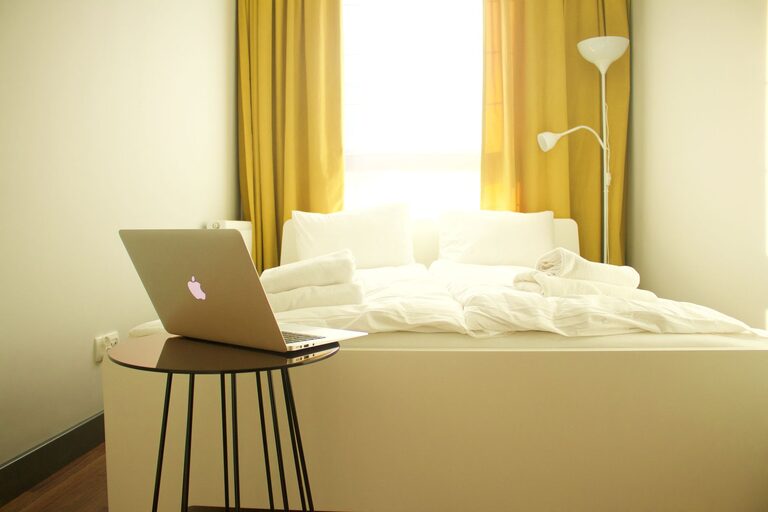
Try replacing bright overhead lights with a lamp in the evening. Lower lighting can make a room feel less like a workspace and more like a place to unwind. You can also reduce background noise by turning off unused devices or choosing quiet music.
Other simple changes include:
– Keeping a blanket nearby
– Placing commonly used items within easy reach
– Clearing clutter from your favorite chair
– Using a pleasant, mild room scent if you enjoy one
– Closing curtains or blinds at a consistent time
There is no perfect evening setting. Notice what makes your space feel welcoming and repeat those choices.
Set a gentle boundary with screens
Screens can be useful for relaxation, connection, and entertainment. However, constant notifications and endless scrolling can make it harder to feel finished with the day. Rather than trying to remove screens completely, create a few clear boundaries.
For example, you might:
– Turn off nonessential notifications after dinner
– Keep your phone away from the table
– Choose one program instead of browsing without a plan
– Charge your phone outside the bedroom
– Set a short time limit for social media
– Use a separate alarm clock if checking your phone leads to more scrolling
The best boundary is one you can follow without creating extra stress. Start with a single change, such as silencing notifications for the last hour before bed.
Prepare tomorrow before you relax
Unfinished tasks often return to your thoughts when the day becomes quiet. A brief preparation period can help you feel more ready for tomorrow.
Spend five minutes writing down:
- The most important task for tomorrow
- Any appointments or time-sensitive plans
- One item you need to bring with you
- Any small task that should not be forgotten
Keep the list short. Writing down every possible task may create a longer mental checklist instead of providing relief. The purpose is to give your thoughts a place to land.
You can also prepare practical items, such as packing a bag, setting out clothes, or checking the next day’s schedule. Once these tasks are complete, give yourself permission to stop planning.
Choose restful activities
Relaxation looks different for everyone. Some people enjoy reading, gentle stretching, drawing, puzzles, or quiet conversation. Others prefer a shower, a simple craft, or sitting with a cup of tea.
Try choosing activities that have a natural stopping point. A few examples are:
– Reading one chapter
– Completing a small puzzle
– Writing a few lines in a journal
– Doing a simple hobby for fifteen minutes
– Listening to an album or calming playlist
– Preparing a favorite caffeine-free drink
– Talking with someone without multitasking
You do not need to fill every quiet moment. Sometimes the most restful choice is to sit comfortably and do less.
Build a routine that can bend
A routine should support your life, not become another source of pressure. Some evenings will be busy, social, or unpredictable. On those nights, use a shorter version of your routine.
Your minimum routine might be:
– Put away a few items
– Prepare one thing for tomorrow
– Turn down the lights
– Take a few quiet minutes before bed
This keeps the main idea of the routine intact without requiring a perfect evening. If you miss a day, simply begin again the next evening. Consistency grows from returning to a helpful habit, not from never changing plans.
Start small and notice what helps
Choose one change that feels easy enough to try tonight. You might begin with a ten-minute reset, a phone boundary, or a short preparation list. Use it for several days and notice whether it makes your evening feel more comfortable.
If the change feels useful, keep it. If it feels like extra work, simplify it or choose something else. A calmer evening routine is personal. The best version is one that gives you a little more space, reduces a little friction, and helps the day come to a natural close.