




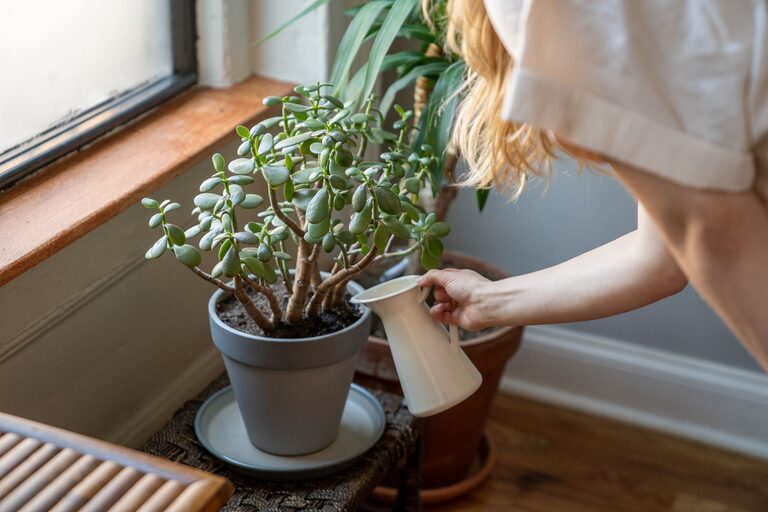
Houseplants can brighten a room, improve its atmosphere, and bring a little nature indoors. They are also living things with specific needs, and even easy-care plants can struggle when conditions are not right. The good news is that healthy houseplant care does not have to be complicated. With the right light, watering habits, soil, and regular attention, most plants can thrive.
Choose the Right Plant for Your Space
A healthy plant starts with a good match between the plant and your home. Before buying a houseplant, consider the conditions in the room where you plan to place it.
Think about:
– How much natural light the room receives
– Whether the air is dry or humid
– How much space the plant will have
– How often you can water and care for it
– Whether the room has drafts or temperature changes
Some plants prefer bright, indirect light, while others can tolerate lower light levels. Read the plant label or ask for care information before making a choice. Matching a plant to its environment makes long-term care much easier.
Provide the Right Amount of Light
Light is one of the most important factors in houseplant health. Without enough light, plants may grow slowly, develop pale leaves, or become tall and weak. Too much direct sunlight can cause brown patches or scorched leaves.
Understand common light levels
– Bright indirect light: Near an east-facing or west-facing window, with sunlight softened by a curtain
– Low light: A space that receives little direct sun but still has some natural daylight
– Direct light: A location where sunlight falls directly on the leaves for several hours
Rotate plants every week or two so all sides receive light evenly. If a plant leans toward a window, gently turn it in the opposite direction. Avoid placing plants directly against cold glass or in areas where strong midday sun may burn their leaves.
If a room has very little natural light, a plant light may help. Use it according to the manufacturer’s instructions and give the plant a regular day and night cycle.
Water Carefully
Overwatering is one of the most common causes of houseplant problems. Many plants suffer because their roots remain in wet soil for too long. Underwatering can also cause stress, but it is often easier to correct if noticed early.
Rather than watering on a fixed schedule, check the soil first. Push your finger about an inch into the top layer. If the soil feels dry, the plant may need water. If it still feels damp, wait a little longer.
When watering:
- Use room-temperature water when possible.
- Pour slowly and evenly over the soil.
- Stop when water begins to drain from the bottom.
- Empty any water collected in the saucer.
Different plants have different preferences. Tropical plants may enjoy more consistent moisture, while succulents and cacti usually need the soil to dry out more between waterings. Always check the specific needs of your plant.
Use Pots With Drainage
A pot with drainage holes allows extra water to escape and helps protect the roots. Decorative containers without holes can still be used as outer pots, but the plant should remain in a smaller container with drainage inside.
Choose a pot that is only slightly larger than the root ball. A container that is too large may hold excess moisture, which can lead to root problems. If roots are growing in circles around the inside of the pot or emerging from the drainage holes, the plant may be ready for a larger container.
Select Suitable Soil
Regular garden soil is often too dense for indoor containers. Houseplants usually do better in a clean, lightweight potting mix that allows both air and water to reach the roots.
Different plants may need different blends:
– General houseplants often do well in a standard indoor potting mix.
– Succulents and cacti prefer a faster-draining mix.
– Orchids need a loose, bark-based medium rather than ordinary soil.
Avoid using old soil that has been sitting outdoors, as it may contain pests or unwanted organisms. Fresh, quality potting mix gives roots a better environment for growth.
Keep Leaves Clean
Dust can collect on leaves and reduce the amount of light they absorb. It can also make it harder to notice pests or signs of stress.
Wipe broad leaves gently with a soft, damp cloth. For smaller plants, a gentle rinse in the sink or shower may help. Use lukewarm water and allow the leaves to dry before returning the plant to its usual location.
Avoid using household cleaners or products that make leaves shiny. These substances may damage the plant’s natural surface.
Maintain Comfortable Temperatures
Most houseplants prefer stable indoor temperatures. Keep them away from heaters, air conditioners, fireplaces, and drafty doors. Sudden changes in temperature can cause leaf drop, wilting, or slow growth.
As a general rule, a comfortable room temperature is suitable for many common houseplants. However, some plants have special needs, so check their care instructions if you notice repeated problems.
Feed Plants During Active Growth
Plants use nutrients from the soil, and potted plants may eventually need additional feeding. Many houseplants benefit from fertilizer during their active growing season, often in spring and summer.
Use a balanced fertilizer and follow the label directions carefully. Applying too much can damage roots and cause leaf edges to turn brown. It is usually better to use less fertilizer than recommended than to overfeed.
Reduce or stop feeding during periods when the plant is growing slowly, such as winter in many homes. Water the soil before applying fertilizer if the product instructions recommend it.
Check Regularly for Pests
Inspect your plants often, especially the undersides of leaves and the areas where stems meet the soil. Common signs of pests include:
– Sticky spots on leaves
– Fine webbing
– Tiny moving insects
– Yellowing or distorted new growth
– Small spots or marks on leaves
If you notice a problem, move the plant away from others until you identify the cause. Wipe affected leaves gently and follow the instructions on a product made for indoor plants if treatment is needed. Checking regularly can help you address small problems before they spread.
Prune and Remove Damaged Growth
Remove dead, yellow, or badly damaged leaves with clean scissors. This improves the plant’s appearance and allows it to focus energy on healthy growth. Trim just above a leaf node or close to the main stem, depending on the plant’s growth pattern.
Pruning can also help keep fast-growing plants compact. Avoid removing too much at once, since plants need healthy leaves to produce energy.
Pay Attention to Changes
Your plant’s leaves often provide clues about its needs. Drooping leaves may indicate underwatering, overwatering, temperature stress, or insufficient light. Yellow leaves can have several causes, including old age or overly wet soil. Brown tips may be linked to dry air, inconsistent watering, or excess fertilizer.
Instead of making several changes at once, adjust one care habit and observe the plant for a week or two. This makes it easier to understand what is helping.
Healthy houseplants benefit most from consistent care rather than constant attention. Give them suitable light, water only when needed, provide good drainage, and check them regularly. With a little patience and observation, you can create an indoor environment where your plants grow well and remain attractive throughout the year.