





Start With a Clear Plan
A small balcony can become a comfortable outdoor room with a few thoughtful changes. The goal is not to fill every corner, but to make the space feel useful, inviting, and personal.
Begin by measuring the balcony and noting its shape. Pay attention to doors, railings, windows, and any areas that need to remain clear. A simple floor plan can help you decide where seating, plants, and accessories will fit without making the space feel crowded.
Think about how you want to use the balcony. It might become a spot for morning coffee, an outdoor reading nook, a place to grow herbs, or a quiet area for relaxing at the end of the day. Choosing one main purpose will make decorating decisions easier.
Choose Space-Saving Furniture
Furniture has the biggest effect on how a small balcony feels. Look for pieces that provide comfort without taking up more room than necessary.
Good options include:
- A compact bistro table with two folding chairs
- A narrow bench placed against a wall
- A small outdoor lounge chair
- Stackable stools that can be moved when needed
- A storage bench that also works as seating
Folding furniture is especially useful because it can be put away when you need more floor space. A small table can also serve several purposes, such as holding drinks, displaying plants, or creating a surface for outdoor meals.
Before buying anything, use painter’s tape to mark the furniture’s dimensions on the floor. This quick test helps you see how much walking space will remain.
Make Seating More Comfortable
Even simple balcony furniture can feel inviting with the right cushions. Choose cushions made for outdoor use, as they are generally better suited to sunlight and changing weather. If your balcony is exposed, store soft items indoors when you are not using them.
A bench with cushions can provide more seating than two individual chairs. You can also add a small floor cushion for flexible seating, provided it can be stored easily and kept dry.
For a finished look, choose one color palette. Soft neutrals, warm earth tones, or muted greens can create a calm atmosphere. Add one or two brighter accents if you want more energy.
Add Soft Textures
Texture helps a small balcony feel warm rather than bare. Outdoor rugs, cushions, throws, and curtains can make the space feel more like an extension of your home.
An outdoor rug can define the seating area and make the floor more comfortable underfoot. Select a flat, weather-resistant style that is easy to clean. A striped or lightly patterned rug can also make the balcony feel wider, depending on how it is positioned.
Add a lightweight throw for cool evenings. A basket can hold the throw when it is not in use, but make sure the basket is protected from rain. Outdoor curtains or a simple fabric screen can add softness and a greater sense of privacy.
Avoid using too many patterns in a small area. One main pattern paired with solid colors usually looks more balanced.
Use Lighting to Create Atmosphere
Lighting can transform a balcony after sunset. It adds warmth, highlights special details, and makes the space feel more comfortable.
String lights are a popular choice because they use very little space. Hang them along the railing, around the ceiling, or across one wall. Choose warm white bulbs for a relaxed glow rather than bright, cool-toned lighting.
Other useful options include:
- Battery-powered lanterns
- Solar lights for the railing or plant pots
- Small LED candles
- A compact outdoor table lamp
- Clip-on lights for narrow railings
Use several small sources of light instead of one strong light. Layered lighting creates a softer effect and helps the balcony feel more like a room. Keep cords secured and follow the manufacturer’s instructions for outdoor use.
Bring in Plants at Different Levels
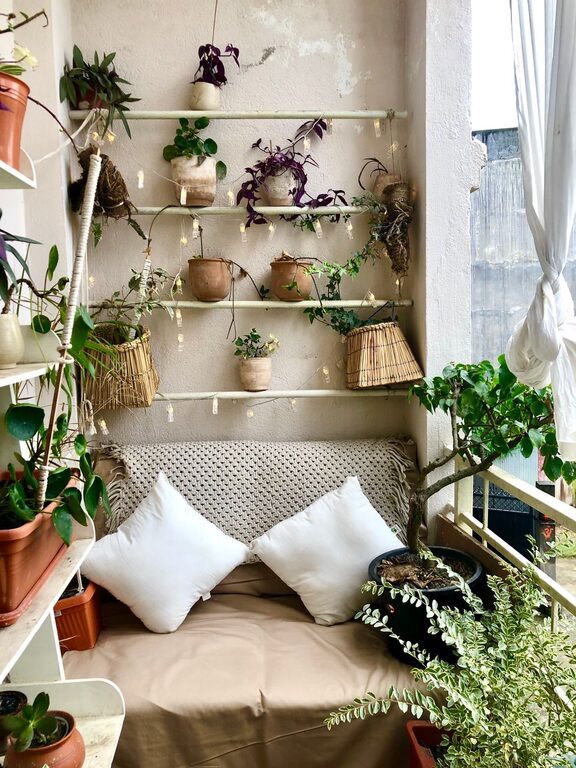
Plants add color, life, and privacy without requiring much floor space. To make the most of a small balcony, use vertical surfaces and raised displays.
Try combining:
- Railing planters for flowers or herbs
- Wall-mounted pots
- A narrow plant stand
- Hanging baskets
- Small containers grouped in a corner
Vary the height of your plants to create visual interest. A tall plant in a corner can soften a bare wall, while smaller pots can decorate a table or shelf.
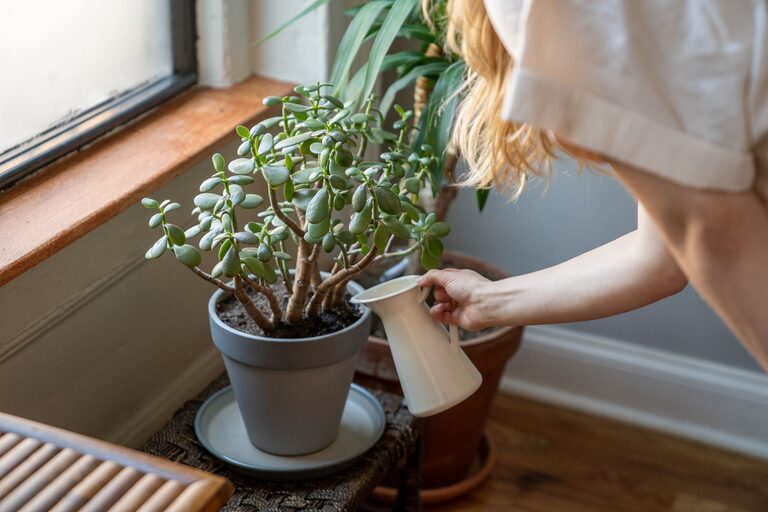
Choose plants based on the amount of sunlight and wind your balcony receives. Some plants prefer bright sun, while others do better in partial shade. Also check the mature size of each plant so it does not quickly overwhelm the space.
Herbs such as basil, mint, rosemary, and thyme can be attractive and useful. If you have limited room, a few well-chosen plants will usually look better than many crowded containers.
Create Privacy With Plants and Screens
If the balcony feels exposed, add privacy without blocking all the light. Tall plants, bamboo-style screens, outdoor curtains, or a trellis can provide separation.
A narrow trellis can support climbing plants and create a green backdrop. If you use a screen, choose one that allows some air movement. Strong winds can place pressure on balcony furniture and decorations, so secure all screens and planters carefully.
Make Use of Vertical Space
When floor space is limited, look up. Vertical storage and decoration keep the balcony useful while leaving room to move around.
Install a narrow shelf for small plants, lanterns, or outdoor accessories. A peg rail can hold lightweight tools, watering cans, or hanging baskets. Wall hooks can also keep folding chairs, blankets, or small decorations off the floor.
Use vertical elements sparingly. Too many shelves or hanging items may make the balcony feel busy. Select a few practical pieces and arrange them with enough space between them.
Choose a Simple Color Scheme
A consistent color scheme makes a small space look more organized. Start with one base color, such as white, beige, gray, or natural wood. Then add one or two accent colors through cushions, pots, rugs, or lighting.
Light colors can help reflect sunlight and make the balcony feel more open. Natural materials, including wood, woven fibers, and terracotta, can add warmth. If you prefer a darker color, use it for small accents rather than every surface.
Matching planters or coordinated textiles can create a polished appearance without requiring expensive furniture.
Keep the Balcony Clutter-Free
A cozy balcony should feel comfortable, not crowded. Keep only items that serve a purpose or bring you genuine enjoyment.
Use furniture with hidden storage whenever possible. A small outdoor box can hold cushions, gardening tools, and candles. Choose collapsible accessories that can be stored indoors during bad weather or when the balcony is not in use.
Create a quick maintenance routine:
- Remove leaves and dirt regularly
- Wipe down furniture as needed
- Check plants for dry soil or damaged leaves
- Store delicate textiles during wet weather
- Inspect lights, hooks, and planters for secure fittings
Regular care prevents the space from becoming overwhelming and helps your furniture and accessories last longer.
Finish With Personal Details
The final touches should reflect how you want to feel when you use the balcony. Add a favorite mug, a small tray for snacks, a decorative pot, or a weather-resistant piece of artwork.
Keep personal accessories limited so the design remains calm. A few meaningful details are more effective than a large collection of decorations.
With comfortable seating, warm lighting, layered textures, greenery, and practical storage, even the smallest balcony can become a welcoming retreat. Start with one improvement, such as adding a chair or a string of lights, and build the space gradually until it feels just right.