






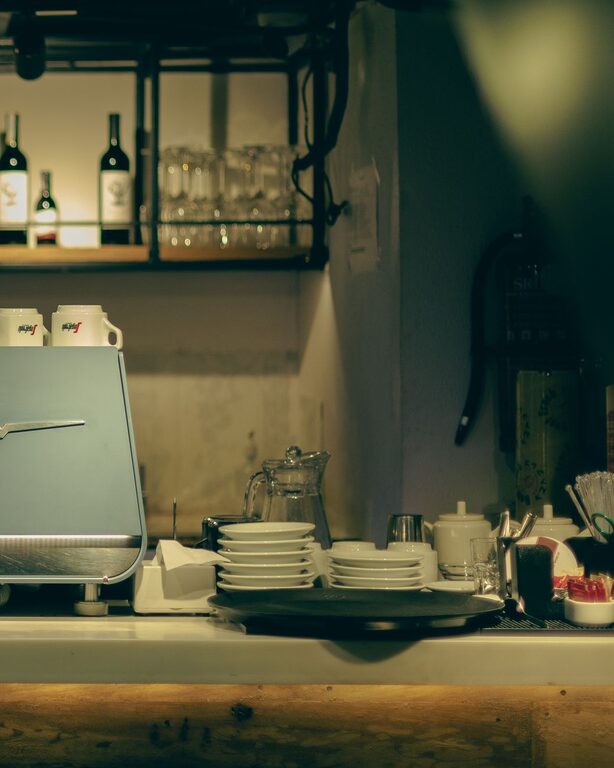
A coffee station can make your morning routine simpler, faster, and more enjoyable. It does not need to take up an entire counter or include expensive equipment. With a thoughtful setup, even a small corner of your kitchen, dining room, or home office can become a useful coffee area.
The key is to combine convenience with organization. Choose a practical location, keep your favorite supplies within reach, and add a few personal details to make the space feel welcoming.
Choose the Right Location
Start by deciding where your coffee station will go. The best location depends on your daily routine, available space, and the equipment you plan to use.
Look for Easy Access
A coffee station works best near:
– An electrical outlet
– A water source
– Open counter or tabletop space
– Storage for mugs and supplies
– Good lighting
A kitchen counter is the most common choice, but it is not the only option. You can use a small bar cart, a sideboard, a floating shelf, or a compact cabinet. If you prepare coffee in a home office, a nearby table or narrow shelving unit may be more convenient.
Avoid placing the station in a crowded walkway or directly beside the sink if splashing water could damage your equipment. Also, leave enough space around appliances for safe use and easy cleaning.
Measure Before You Buy
Measure the available area before purchasing furniture, organizers, or appliances. Remember to account for:
– The width and depth of the coffee maker
– Extra room for opening lids or removing water tanks
– Space for a grinder or kettle
– Clearance around electrical cords
– Storage for cups, beans, and accessories
A simple sketch or a few measurements recorded on your phone can help you avoid buying items that do not fit.
Decide What You Actually Need
It is easy to fill a coffee station with gadgets, but a useful setup should match your habits. Think about the drinks you make most often and choose equipment accordingly.
A basic coffee station may include:
– A coffee maker, French press, pour-over brewer, or espresso machine
– Coffee beans or ground coffee
– A grinder, if you use whole beans
– A kettle
– Mugs
– Spoons or stirrers
– Sugar, sweeteners, or syrups
– Creamer or milk
– Napkins or a small towel
You do not need every item on this list. If you usually make drip coffee, a coffee maker and a grinder may be enough. If you enjoy pour-over coffee, you may prefer a gooseneck kettle, brewer, filters, and a scale.
Keeping the setup focused prevents clutter and makes the station easier to use.
Organize the Essentials
Good organization is what turns a collection of coffee supplies into a functional station. Keep frequently used items in the most accessible places.
Use Trays to Create Order
A tray can define the coffee area and keep small items together. Place the coffee maker, sugar container, spoons, or syrup bottles on one sturdy tray. This also makes it easier to move the entire setup when cleaning or rearranging the room.
Choose a tray that is easy to wipe clean. Wood, metal, bamboo, and washable plastic can all work well, depending on your style.
Add Containers for Small Supplies
Small containers help reduce visual clutter. Consider using jars, canisters, or covered containers for:
– Coffee beans
– Ground coffee
– Tea bags
– Sugar packets
– Stirrers
– Filters
– Toppings
Clear containers make it easy to see when supplies are running low. Opaque containers can help protect coffee from light, especially if they have tight-fitting lids.
Label containers if you keep several varieties of coffee or use different types of filters. Simple labels make the station easier for everyone in the household to use.
Store Mugs Within Reach
Mugs are often the most decorative part of a coffee station, but they should also be easy to access. Place them on a shelf, in a cabinet, or on hooks beneath a shelf.
If you have limited space, keep only your everyday mugs at the station and store special or seasonal mugs elsewhere. A small mug tree can be useful, but make sure it is stable and does not overcrowd the surface.
Add Convenient Storage
Use the space above and below the coffee station whenever possible. Vertical storage can make a small area much more useful.
Helpful options include:
– A wall shelf for mugs and canisters
– Hooks for measuring spoons
– A narrow drawer for filters and accessories
– A basket for napkins and towels
– A small cabinet for extra coffee supplies
– A rolling cart for a movable setup
If you use a coffee cart, place heavier equipment on the lower shelf to improve stability. Reserve the top shelf for the coffee maker and the items you use most often.
For a countertop station, drawer organizers can keep filters, scoops, and cleaning tools separated. Baskets are useful for storing backup supplies without making the area look crowded.
Create a Comfortable Look
A coffee station can be practical and attractive at the same time. Choose a simple color scheme or theme that fits the surrounding room.
You can add personality with:
– A framed coffee print
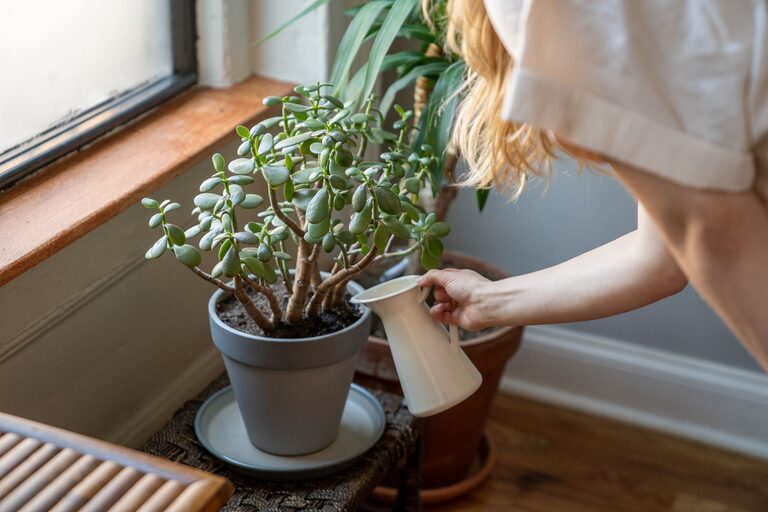
– A small plant
– A decorative sign
– A favorite mug collection
– A textured towel
– A small bowl for sugar packets
– A seasonal decoration
Avoid adding too many decorations near heat, water, or electrical appliances. Leave enough open space to prepare coffee comfortably and wipe down the area.
Natural materials such as wood, ceramic, glass, and woven baskets can create a warm, relaxed appearance. For a modern look, use matching containers and a limited color palette.
Make the Station Easy to Clean
Coffee grounds, water drops, and spills can quickly make a station look untidy. A simple cleaning routine will keep it fresh and functional.
Wipe the counter and equipment regularly, and clean spills as soon as they happen. Empty used grounds and rinse removable parts according to the appliance instructions. Wash mugs, spoons, and reusable filters often.
Keep a small cloth or washable towel nearby for quick cleanup. A waterproof tray or mat beneath the coffee maker can also help protect the surface from drips.
Do not store coffee supplies in damp areas. Keep beans, grounds, filters, and sweeteners dry and away from direct sunlight. Check expiration dates on creamers, syrups, and other perishable items.
Stock It for Your Routine
Once your coffee station is set up, stock it based on how often you use it. Keep a small amount of everyday supplies within reach and store backups nearby.
A useful restocking list may include:
– Coffee beans or grounds
– Filters
– Milk or creamer
– Sugar or sweetener
– Stirring spoons
– Napkins
– Cleaning cloths
Review the station once a week. Refill containers, remove empty packaging, and return misplaced items to their proper locations. This quick reset keeps the area ready for the next morning.
Make It Work for Your Home
The best coffee station is one that fits your space and habits. A large setup with specialized equipment is not automatically better than a compact arrangement with a few reliable tools.
Start with the essentials, use storage that matches your available space, and add details that make the area enjoyable to use. Whether you choose a kitchen corner, a rolling cart, or a dedicated cabinet, an organized coffee station can bring convenience and a welcoming touch to your home.