






Why Proper Clothing Care Matters
Taking care of your clothes can help them stay comfortable, look better, and remain useful for longer. Many garments wear out because of frequent washing, high heat, rough handling, or poor storage rather than everyday use.
A few simple habits can reduce fading, stretching, pilling, shrinking, and damage to seams. Caring for clothing also makes it easier to build a practical wardrobe and avoid replacing items before you need to.
Read the Care Label First
Care labels provide the best starting point for cleaning and maintaining a garment. Before washing a new item, check the label for instructions about water temperature, drying, ironing, and professional cleaning.
Pay attention to symbols and written directions such as:
- Machine wash or hand wash
- Cold, warm, or hot water
- Line dry, tumble dry, or dry flat
- Do not bleach
- Iron at a low, medium, or high temperature
- Dry clean only
If a garment has special details, such as embroidery, leather trim, sequins, or delicate fabric, follow the most careful instruction listed. When you are unsure, choose a gentler cleaning method.
Wash Clothes Less Often When Appropriate
Not every item needs to be washed after one use. Washing too frequently can cause colors to fade, fibers to weaken, and fabrics to lose their shape.
Items such as jeans, sweaters, jackets, and some skirts can often be worn several times before washing, as long as they are not stained or noticeably soiled. Air garments out after wearing them by hanging them in a well-ventilated space.
Underwear, socks, workout clothing, and clothes exposed to sweat or spills should be washed more regularly. Use your judgment based on the fabric, activity, and condition of the item.
Sort Laundry Carefully
Sorting laundry helps prevent color transfer and reduces damage from rougher materials. At a minimum, separate whites, dark colors, and bright or strongly dyed items.
You can also sort by fabric weight and care needs. Heavy towels and denim may rub against lightweight shirts and cause wear. Keep delicate items away from garments with zippers, hooks, or rough surfaces.
Before starting a load:
- Empty pockets
- Close zippers
- Fasten hooks and buttons when appropriate
- Turn printed or dark clothing inside out
- Place delicate garments in mesh laundry bags
These steps help protect fabric surfaces and prevent small items from becoming tangled.
Use the Right Washing Settings
Cold or cool water is suitable for many everyday garments and can help reduce fading and shrinking. Always follow the care label, especially for items made from wool, silk, linen, or other delicate materials.
Avoid overloading the washing machine. Clothes need enough room to move freely through the water and detergent. An overloaded machine may not clean garments thoroughly and can create extra friction.
Use the recommended amount of detergent. More detergent does not necessarily mean cleaner clothes. Excess soap can remain in fabric, make garments feel stiff, and require additional rinsing. Choose a mild detergent for delicate items and avoid harsh products unless they are specifically needed.
Handle Stains Quickly
Treat stains as soon as possible, but avoid rubbing aggressively. Blot liquid stains with a clean cloth and gently lift solid material with the edge of a spoon or dull knife.
Check the care label before applying a stain remover. Test any product on a hidden area first, especially on dark or brightly colored fabric. Avoid putting a stained garment in the dryer until the stain has been removed, because heat can make some stains more difficult to treat.
Reduce Heat When Drying
High heat is one of the most common causes of shrinking, fading, and fiber damage. If the care label allows it, air-dry clothing on a rack or clothesline.
Different garments benefit from different drying methods:
- Hang shirts and blouses on sturdy hangers to help reduce wrinkles.
- Lay sweaters flat so they do not stretch at the shoulders.
- Use a drying rack for delicate items.
- Shake garments gently before hanging them to help them keep their shape.
- Keep drying clothes away from strong, prolonged sunlight if fading is a concern.
If you use a dryer, select a lower heat setting and remove clothes while they are slightly damp. This can help reduce overdrying and make wrinkles easier to manage.
Iron and Steam with Care
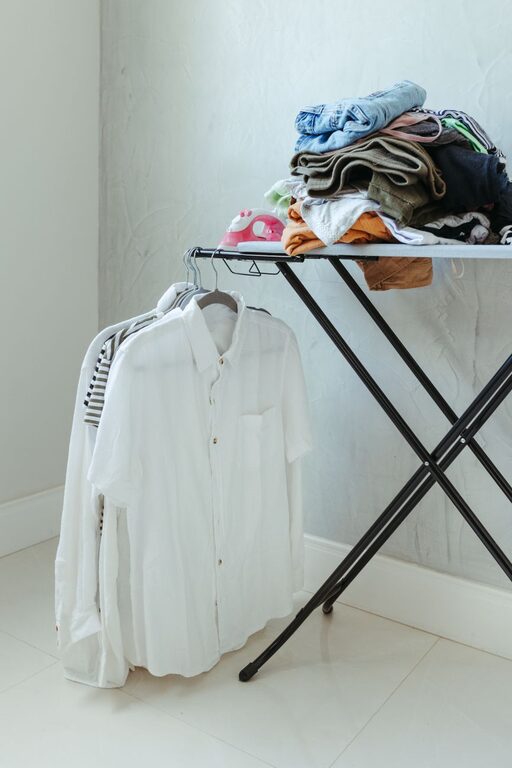
Always check the care label before ironing. Set the iron to the temperature recommended for the fabric, starting with a lower setting when you are unsure.
Turn dark garments and printed clothing inside out before ironing. For delicate fabrics, place a clean cloth between the iron and the garment. Avoid holding the iron in one place for too long, as direct heat can leave shiny marks or cause damage.
A steamer can be useful for removing light wrinkles, but keep it at a safe distance from the fabric and follow the garment’s care instructions. Make sure clothes are fully dry before storing them.
Store Clothes Properly
Good storage helps protect clothing between wears. Make sure garments are clean and completely dry before putting them away. Storing stained or damp clothing can lead to odors and fabric damage.
Use suitable hangers for items that should be hung. Padded or shaped hangers can help protect delicate garments, while sturdy hangers are better for heavier coats and jackets. Avoid hanging stretchy knits, which may develop shoulder bumps or lose their shape.
Fold sweaters, T-shirts, jeans, and other stretchable items. Do not pack drawers or shelves too tightly, since crowded storage can create wrinkles and make fabrics harder to access.
For seasonal clothing, use breathable storage containers rather than sealing everything in plastic for long periods. Store items in a cool, dry place away from direct sunlight. Before storing, check that pockets are empty and any fasteners are closed.
Repair Small Problems Early
Small repairs are usually easier before a problem becomes worse. Sew on loose buttons, secure small tears, and trim loose threads when you notice them. A missing button can lead to strain on the surrounding fabric, while a small tear may expand during washing.
Keep a basic repair kit with:
- Needles
- Thread in common colors
- Small scissors
- Replacement buttons
- Sewing pins
- A measuring tape
For more complex repairs, such as broken zippers, damaged linings, or alterations, consider using a tailor or clothing repair service. Repairing a favorite garment can be more practical than replacing it.
Refresh Clothes Between Washes
You can often freshen lightly worn clothing without a full wash. Hang garments in a well-ventilated area, brush away surface dust, and spot-clean small marks. Allow shoes and outerwear to air out before storing them.
Use a fabric brush or lint roller to remove lint, hair, and surface debris. For garments that tend to pill, use a fabric shaver carefully and follow the tool’s instructions. Avoid pulling pills by hand, since this can damage the surrounding fibers.
Build Better Clothing Habits
Extending the life of your clothes is mostly about consistency. Buy garments that suit your routine, follow care labels, and avoid washing or drying items more harshly than necessary.
When putting clothes away, rotate the items you wear so that a few pieces do not receive all the use. Inspect garments occasionally, repair small issues promptly, and clean your storage areas from time to time.
With gentle washing, careful drying, proper storage, and timely repairs, many clothes can remain comfortable and presentable for much longer. These habits are simple to add to your routine and can make clothing care easier over time.